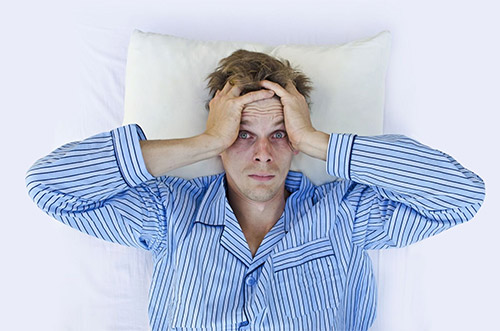
Sleep Apnea

Sleep apnea is a condition in which patients stop breathing repeatedly for very brief periods of time while asleep. Not only can sleep apnea cause fatigue and drowsiness that can interfere with your quality of life, it also appears to have some sort of relationship with serious health problems, such as heart attacks and strokes. Effective sleep apnea interventions are available, so patients should be aware of the signs and symptoms of this condition so that they can consult with a dentist about treatment.

Why Sleep Apnea Happens

The most common type of sleep apnea is obstructive, in which the soft tissues at the back of the throat to go slack and cover up the airway opening, forcing the patient to stop breathing briefly. Your brain recognizes that you have stopped breathing and wakes you briefly to resume respiration. Some risk factors for sleep apnea include obesity, family history of the condition, smoking, asthma, chronic nasal congestion and enlarged tonsils and adenoids.

Sleep Apnea | Friendly Dental | Lancaster OH

Symptoms And Consequences Of Sleep Apnea

Sleep apnea is marked by loud snoring, noticeable pauses in breathing during sleep and daytime drowsiness, along with issues such as frequent headaches or sore throats upon waking. Sleep apnea sufferers may also experience depression or mental fogginess as a result of the sleep deprivation.

The repeated apneic episodes deprive the body of much-needed oxygen, and as a result, sleep apnea has numerous consequences. The condition interferes with sleep, so patients who have sleep apnea often suffer from drowsiness throughout the day. Additionally, sleep apnea may contribute to a risk of high blood pressure, stroke or even sudden death. To reduce your risks of sleep apnea’s effects, it’s essential to pursue treatment if you have symptoms of the condition.

Sleep Apnea Treatment

Sleep apnea treatment focuses on improving breathing during sleep to prevent repeated pauses in airflow that can disrupt rest and negatively impact overall health. Obstructive sleep apnea (OSA), the most common form, occurs when the airway becomes blocked or collapses during sleep. Left untreated, sleep apnea can increase the risk of heart disease, high blood pressure, stroke, diabetes, daytime fatigue, and cognitive impairment.

Treatment of sleep apnea sometimes includes custom oral appliance therapy, which gently repositions the jaw and tongue forward to keep the airway open throughout the night. Oral appliances are a non-invasive and very comfortable alternative to CPAP therapy for patients with mild to moderate sleep apnea or who otherwise can’t tolerate a CPAP. Treatment is customized, clinically proven, and designed to improve sleep quality, snoring, and overall health.

Different approaches to sleep apnea treatment can be effective for patients. A continuous positive airway pressure (CPAP) mask is a common treatment, but many patients find these masks cumbersome and nearly as disruptive to sleep as the apnea itself. As such, patient compliance with CPAP masks is rather low.

Oral appliance therapy offers a more comfortable, convenient alternative for patients. An appliance that feels similar to a mouthguard is worn during sleep in order to hold the patient’s tongue or jaw in a forward position and reduce the chances that excess tissue at the back of the throat will obstruct the airway. Patients often find oral appliance therapy more tolerable than CPAP masks.

In cases when obesity is contributing to sleep apnea, weight loss can reduce symptoms somewhat, but this will not have an immediate effect, and patients are encouraged to pursue other treatments in the interim.

Common Sleep Apnea Questions

What is sleep apnea?

Sleep apnea is a sleep disorder characterized by repeated pauses in breathing due to airway obstruction or neurological signaling issues. 

I snore. Is it possible that I have sleep apnea?

Snoring is definitely one of the hallmarks of sleep apnea, especially if it is excessively loud – enough so to wake up a sleeping partner. If you are known to snore and are experiencing other symptoms of sleep apnea, such as feeling fatigued after a full eight hours of sleep or frequent confusion or morning headaches, you should complete a sleep study to determine if you do indeed have sleep apnea.

During the sleep study, which can be done at a specialized center or in the comfort of your own home, you will wear monitors that track signals from your body indicating various characteristics of your sleep. Based on the results of the sleep study, you can then seek treatment for your sleep apnea.

What is the cause of sleep apnea?

Sleep apnea usually occurs when the airway opening is obstructed during sleep. This happens when excess tissue at the back of the throat collapses during sleep and slides over the airway opening. Breathing stops for a few seconds until the brain alerts the patient to wake up briefly and start breathing again.

In a less common form of sleep apnea, the electrical signals from the brain that prompt respiration is disrupted, causing the pauses in breathing. If you have sleep apnea, it’s important to know which type it is so that you can get the proper treatment. Undergoing a sleep study will confirm the diagnosis and inform your treatment.

What are the symptoms of sleep apnea?

Common symptoms include loud snoring, choking or gasping for air during sleep, daytime sleepiness, morning headaches, dry mouth, poor concentration, and restless sleep. 

How is sleep apnea diagnosed?

Sleep apnea is typically diagnosed through a sleep study, either conducted in a sleep clinic or at your home, and interpreted by a sleep physician.

How do CPAP machines and oral appliances differ?

CPAP (which stands for continuous positive airway pressure) masks cover the patient’s mouth and nose and force air into the airway in order to keep it open throughout sleep. These masks can be uncomfortable and inconvenient, as they also require access to a power source.

Oral appliances stand alone and hold either the tongue or the jaw in a position that makes it less likely that the tissue at the back of the throat will obstruct the airway opening. They look similar to mouthguards worn during sports and are far more comfortable and user-friendly than CPAP masks.

How can a dentist help treat sleep apnea?

Dentists trained in dental sleep medicine can provide custom oral appliances that position the jaw forward to keep the airway open during sleep, reducing apnea events and snoring.

What is oral appliance therapy?

Oral appliance therapy uses a custom-fitted dental device worn during sleep to gently move the lower jaw forward, helping maintain an open airway.

Is oral appliance therapy effective?

Yes. Oral appliances are a popular CPAP alternative for qualifying patients and offer a quieter, more comfortable, and travel-friendly solution for sleep apnea.

What are the side effects of an oral appliance?

Oral appliance therapy can cause side effects, including dry mouth or excessive salivation, mild tooth and jaw discomfort and temporary changes to the bite. If you experience any side effects from your oral appliance, be sure to consult with your dentist who can recommend steps to take to address them.

Will insurance cover sleep apnea treatment?

Many medical insurance plans cover oral appliance therapy when prescribed following a sleep study. 

Does treating sleep apnea improve overall health?

Yes.  Effective and well titrated devices can reduce health risks, improve energy levels, enhance cognitive function, and improve cardiovascular health.