Symptoms And Consequences Of Sleep Apnea
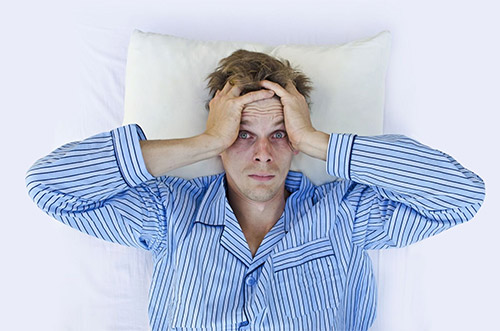
Sleep apnea is marked by loud snoring, noticeable pauses in breathing during sleep and daytime drowsiness, along with issues such as frequent headaches or sore throats upon waking. Sleep apnea sufferers may also experience depression or mental fogginess as a result of the sleep deprivation.
The repeated apneic episodes deprive the body of much-needed oxygen, and as a result, sleep apnea has numerous consequences. The condition interferes with sleep, so patients who have sleep apnea often suffer from drowsiness throughout the day. Additionally, sleep apnea may contribute to a risk of high blood pressure, stroke or even sudden death. To reduce your risks of sleep apnea’s effects, it’s essential to pursue treatment if you have symptoms of the condition.
Sleep Apnea Treatment
Sleep apnea treatment focuses on improving breathing during sleep to prevent repeated pauses in airflow that can disrupt rest and negatively impact overall health. Obstructive sleep apnea (OSA), the most common form, occurs when the airway becomes blocked or collapses during sleep. Left untreated, sleep apnea can increase the risk of heart disease, high blood pressure, stroke, diabetes, daytime fatigue, and cognitive impairment.
Treatment of sleep apnea sometimes includes custom oral appliance therapy, which gently repositions the jaw and tongue forward to keep the airway open throughout the night. Oral appliances are a non-invasive and very comfortable alternative to CPAP therapy for patients with mild to moderate sleep apnea or who otherwise can’t tolerate a CPAP. Treatment is customized, clinically proven, and designed to improve sleep quality, snoring, and overall health.
Different approaches to sleep apnea treatment can be effective for patients. A continuous positive airway pressure (CPAP) mask is a common treatment, but many patients find these masks cumbersome and nearly as disruptive to sleep as the apnea itself. As such, patient compliance with CPAP masks is rather low.
Oral appliance therapy offers a more comfortable, convenient alternative for patients. An appliance that feels similar to a mouthguard is worn during sleep in order to hold the patient’s tongue or jaw in a forward position and reduce the chances that excess tissue at the back of the throat will obstruct the airway. Patients often find oral appliance therapy more tolerable than CPAP masks.
In cases when obesity is contributing to sleep apnea, weight loss can reduce symptoms somewhat, but this will not have an immediate effect, and patients are encouraged to pursue other treatments in the interim.